Key Points
- Skipping routine pool maintenance leads to costly equipment failures and water problems
- Arizona heat and hard water accelerate damage when pools are neglected
- Small issues become major repairs quickly in Queen Creek’s climate
- Preventive maintenance protects your pool, equipment, and property value
- Professional service costs far less than emergency repairs over time
- Weekly service is often recommended for effective management of water quality and equipment
- Professional cleaning services help address the unique challenges of Arizona’s climate, such as dust, debris, and temperature fluctuations
- Arizona’s hot, arid climate leads to increased evaporation rates, making water conservation critical
Important Definitions
Preventive Maintenance:
Routine service that prevents problems before they occur by maintaining proper water chemistry, circulation, and equipment performance. Regular pool maintenance is crucial to keeping your pool safe and enjoyable.
Weekly Service:
Scheduled weekly visits that ensure consistent water quality, chemical balance, and equipment function. Weekly service helps prevent issues and extends the life of your pool by addressing problems before they escalate.
Cleaning Services:
Comprehensive pool care that includes routine skimming, brushing, vacuuming, and debris removal. Cleaning services maintain your pool’s appearance and functionality, ensuring a swim-ready environment.
Unique Challenges:
Specific difficulties faced in Arizona’s hot, arid climate, such as rapid water evaporation, dust accumulation, and temperature swings. These unique challenges require tailored maintenance solutions to keep pools in optimal condition.
Water Loss:
The reduction of pool water due to evaporation and leaks, especially common in Arizona’s climate. Managing water loss is essential for pool efficiency, water conservation, and maintaining proper chemical balance.
Equipment Failure:
The breakdown of pumps, filters, heaters, valves, seals, and plumbing due to stress, corrosion, and improper care.
Chemical Imbalance:
Unsafe or unstable water conditions caused by incorrect levels of chlorine, pH, alkalinity, stabilizer, and calcium.
Scale Buildup:
Hard mineral deposits that accumulate on tile, plaster, heaters, and plumbing in hard water environments like Queen Creek.
Emergency Cleanup:
Unplanned service required to restore a neglected pool after algae blooms, equipment failure, or water contamination.
The Real Cost of Neglecting Pool Maintenance in the Desert
In Queen Creek, pool neglect does not move slowly. It accelerates. The unique challenges of pool maintenance in Arizona—such as high temperatures, water loss from evaporation, and harsh desert conditions—require special attention and proactive care.
High temperatures and low humidity in Arizona promote rapid water evaporation and increased debris accumulation, making pool care more demanding. Regular pool cleaning and filter cleaning are essential to maintain water clarity, prevent algae growth, and keep your system running efficiently. Arizona’s hard water can also cause scaling and cloudy water if not managed properly.
Regularly inspecting and cleaning pool equipment helps prevent worn out equipment and costly repairs. Consistent maintenance not only addresses these unique challenges but also helps prevent expensive issues and keeps your pool in optimal condition year-round.
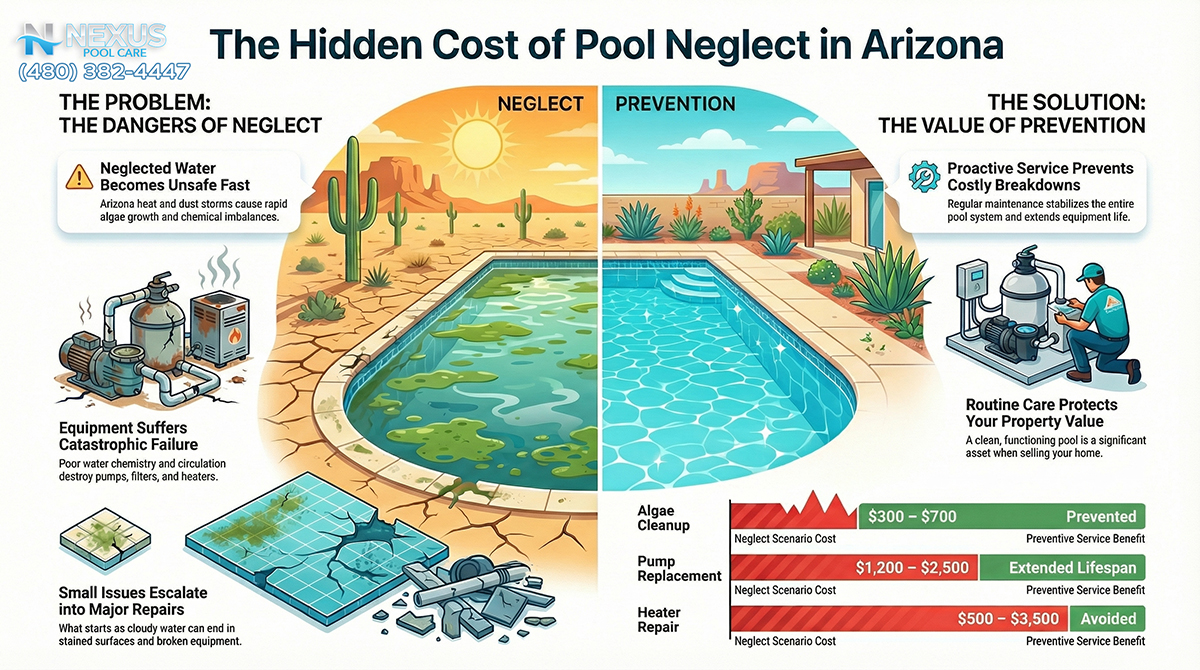
Arizona’s extreme heat, intense sunlight, dust storms, and hard water turn even short lapses in maintenance into serious damage. What begins as cloudy water often ends with broken equipment, stained surfaces, and expensive repairs.
What Neglect Does to Pool Water
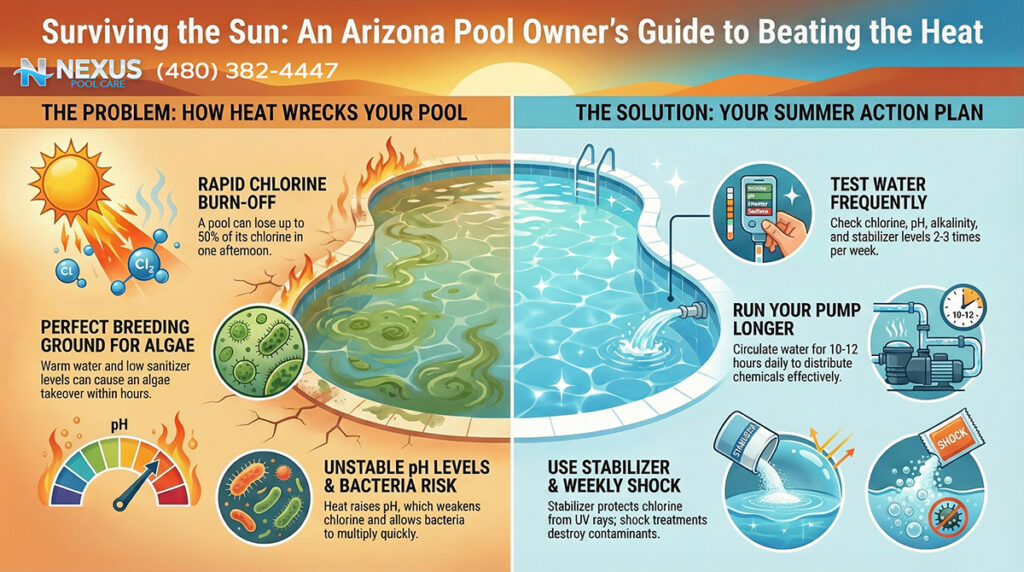
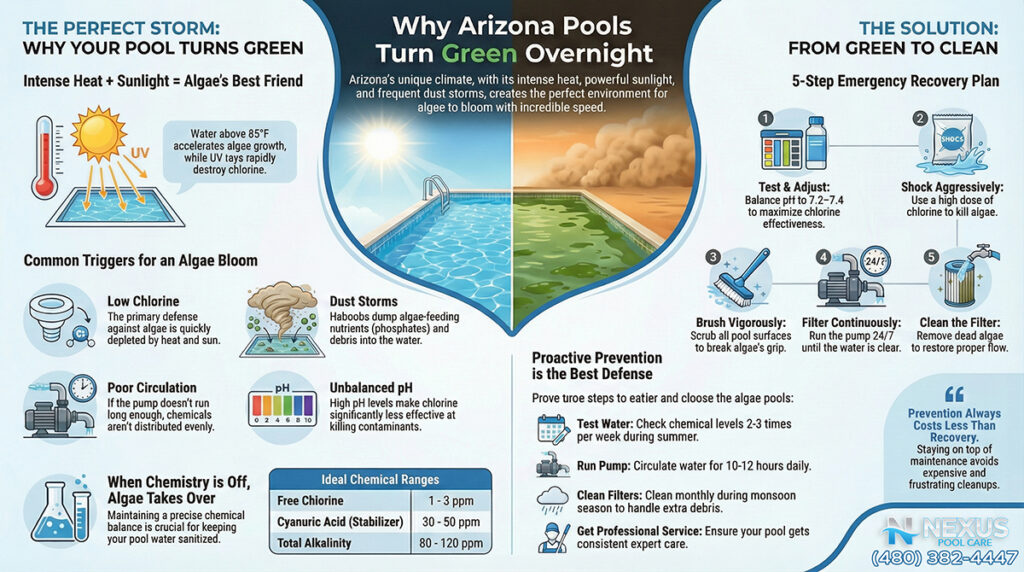
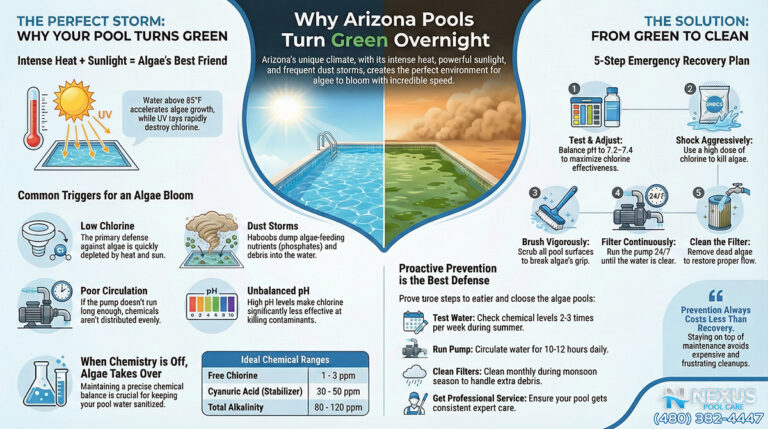
When maintenance is skipped, water chemistry becomes unstable. Maintaining clear water and proper chlorine levels is essential to ensure a safe and enjoyable swimming environment. Weekly pool cleaning and chemical balancing prevent algae growth and help ensure the pool remains clean. Testing and balancing pool water chemistry every week is necessary to maintain water clarity and safety.
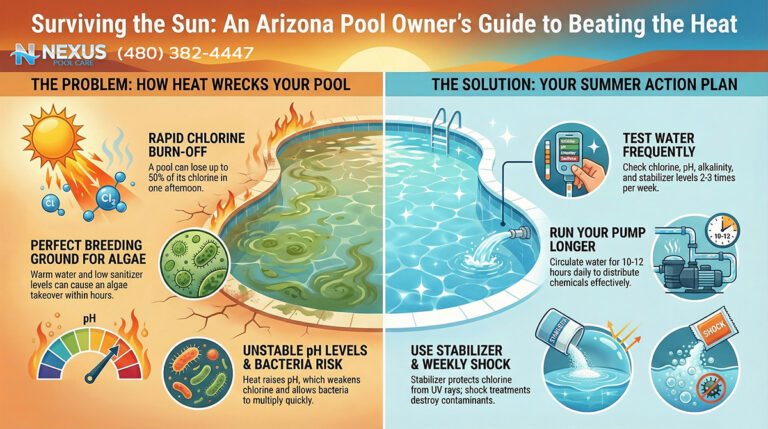
- Chlorine disappears faster in heat
- pH rises quickly, weakening sanitation
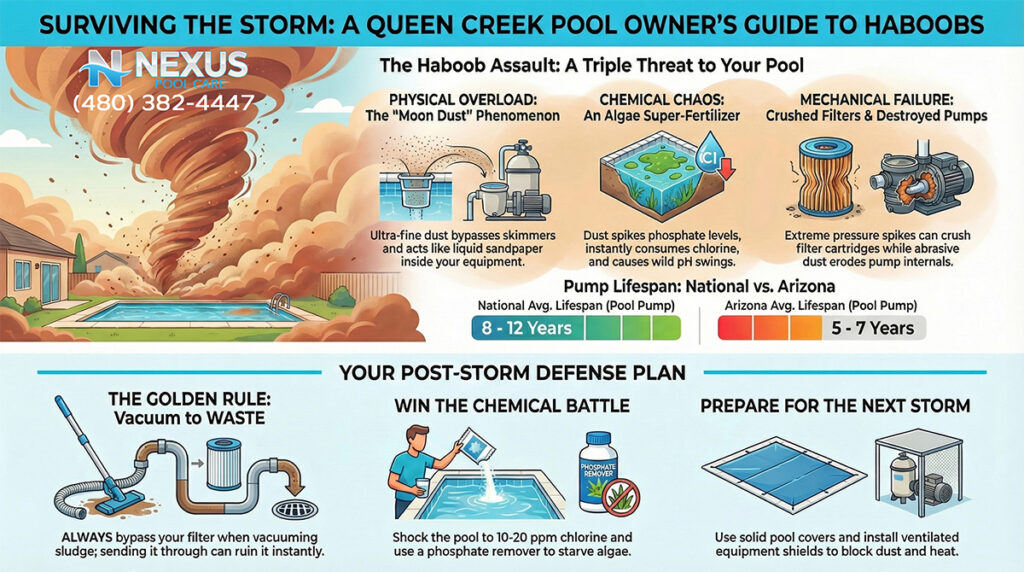
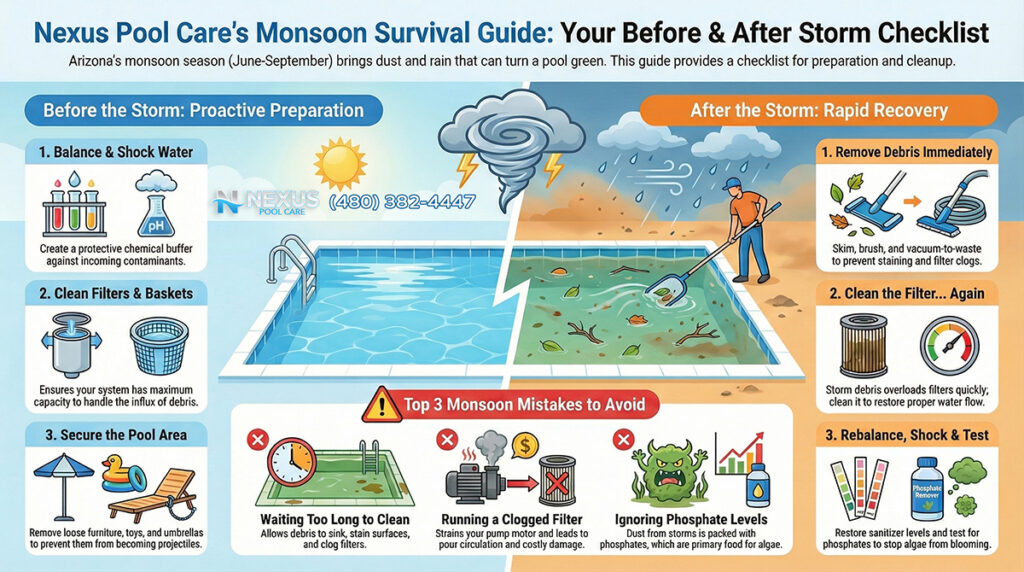
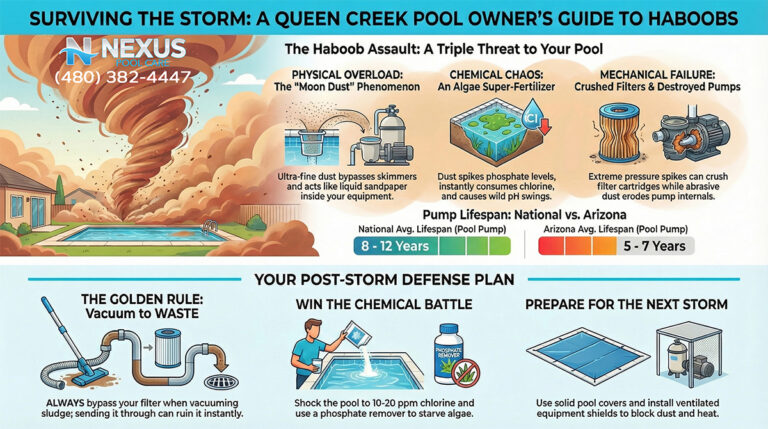
- Phosphates from dust storms feed algae
- Bacteria multiply in warm water
The result is green, unsafe water that requires shock treatments, phosphate removal, filter cleanings, and extended downtime.
How Neglect Damages Pool Equipment
Improper water balance and poor circulation destroy equipment faster than normal wear.
- Pumps overheat and fail
- Filters clog and rupture
- Heaters corrode internally
- Seals dry out and leak
- Plumbing becomes brittle
Regularly inspecting and cleaning pool equipment is necessary to keep your pool running smoothly and avoid costly repairs. Be sure to check and clean the pump basket frequently, as a full or clogged pump basket can cause high pressure on the filter gauge and reduce filtration efficiency. Replacing worn out equipment promptly, and knowing when a new pump is needed—such as when the current pump is noisy, inefficient, or beyond repair—will help maintain system performance. Regular cleaning and maintenance of pool equipment are essential to ensure optimal performance and prevent expensive repairs.
Each component failure creates additional strain on the remaining system.
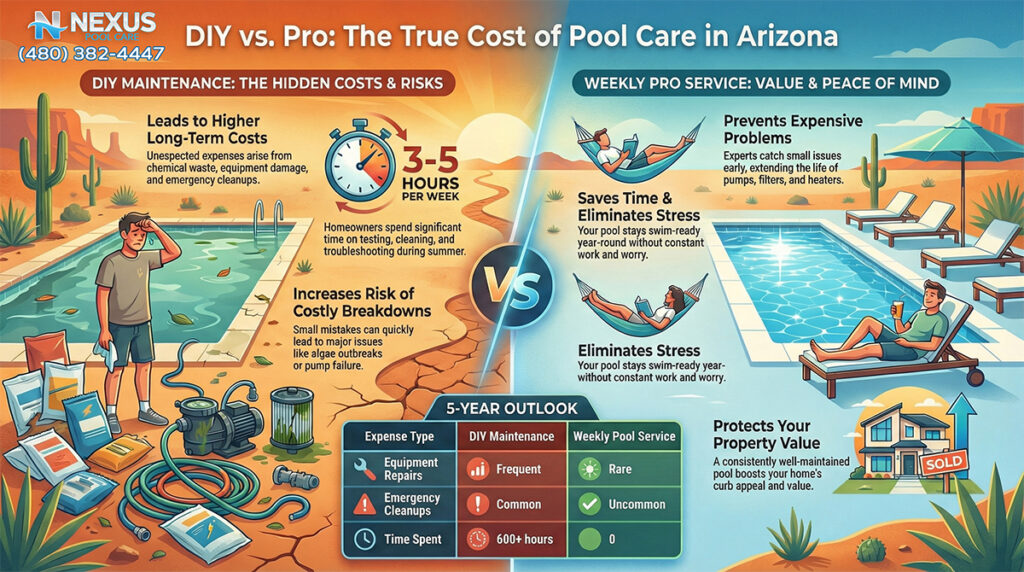
Repair Costs vs Routine Maintenance Costs
Neglect quickly becomes expensive.
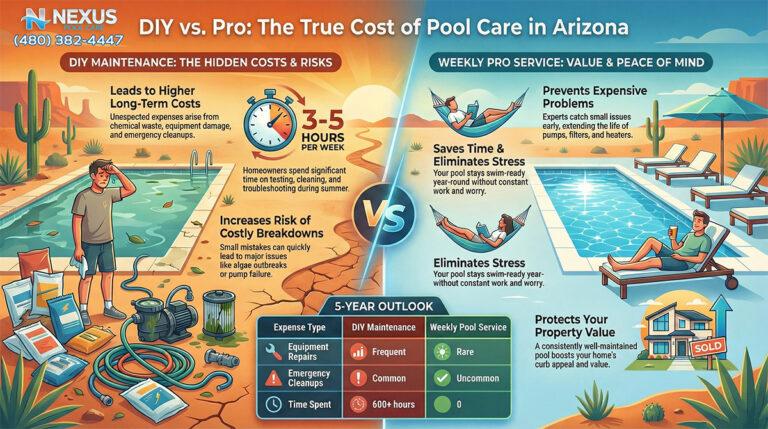
| Expense | Neglect Scenario | Preventive Service |
| Algae Cleanup | $300–$700 | Prevented |
| Pump Replacement | $1,200–$2,500 | Extended lifespan |
| Heater Repair | $500–$3,500 | Avoided |
| Surface Repair | $2,000+ | Preserved |
| Monthly Cost | Unpredictable | Predictable |
Preventive service eliminates most of these expenses before they begin.
Regular maintenance offers significant benefits, such as improved water quality, equipment efficiency, and long-term pool safety, while also helping to maintain your property value. With the wide range of services offered by professional pool companies, including routine cleaning, chemical balancing, and equipment inspections, homeowners can avoid having to pay for expensive repairs down the line. Pool repairs can include fixing broken components in the filtration system or cosmetic repairs, both of which are often prevented with consistent maintenance.
How Routine Service Prevents Major Repairs
- Weekly chemical balancing
- Consistent brushing and vacuuming
- Monthly filter maintenance
- Early leak detection
- Equipment inspections
- Seasonal adjustments for heat and weather
- Detailed reports and personalized service provided by the team at your local pool company, ensuring you always know the status of your pool
- Working with a reliable, locally owned pool company that treats your family and property with care and respect
- Scheduling professional maintenance to keep your pool in top condition and avoid costly repairs
- Using a high-quality filtration system is essential for keeping your pool water clean and clear
- Customer reviews and testimonials consistently highlight the reliability, professionalism, and honesty of local pool maintenance companies and their teams
This proactive approach stabilizes every part of your pool system.
Pool Care and Maintenance Tips
Keeping your swimming pool in pristine condition takes more than just the occasional cleaning—it requires a commitment to regular pool maintenance, especially in the demanding climates of Queen Creek and San Tan Valley. As a pool owner, staying on top of routine care not only ensures a safe and enjoyable swimming experience but also helps you control overhead costs like labor, fuel, and pool chemicals.
Here are some essential tips to help you maintain your pool and protect your investment:
- Stick to a Weekly Maintenance Schedule: Consistent cleaning, brushing, and vacuuming prevent debris accumulation and keep your pool water clear. Regular attention means less maintenance in the long run and helps avoid costly repairs.
- Monitor Chemical Levels: Test your pool water frequently to maintain proper chemical balance. Keeping chlorine and pH levels in check reduces the need for expensive shock treatments and helps your pool remain safe and inviting.
- Inspect Pool Equipment Regularly: Check your pool pump, filtration system, and other equipment for signs of wear or leaks. Early detection of issues can save you from higher labor costs and emergency repairs.
- Optimize for Energy Efficiency: Running your pool pump during off-peak hours and keeping equipment in good working order can lower fuel costs and extend the life of your system.
- Address Issues Promptly: Don’t let small problems linger. Quick action on minor repairs or chemical imbalances prevents them from turning into major expenses.
By following these pool care tips, you’ll enjoy a sparkling swimming pool all season long while keeping maintenance, chemical, and energy costs under control. Regular pool maintenance is the key to a worry-free pool ownership experience in Queen Creek, San Tan Valley, and beyond.
The Bottom Line
In Queen Creek’s desert climate, neglect is the most expensive maintenance strategy. Routine professional care ensures your pool remains in top condition, prevents costly repairs, protects equipment, preserves water quality, and keeps your pool safe and swim-ready year-round. Regular filter maintenance, backwashing, and clearing debris are essential so your pool remains clean and safe for swimming. Using a pool cover can help minimize evaporation and protect the pool from debris, especially during dust storms. Nexus Pool Care helps homeowners avoid breakdowns and protect their investment.
Frequently Asked Questions
How long can a pool go without maintenance in Arizona?
In summer, serious damage can begin in less than two weeks.
Is professional pool service worth the cost?
Yes. It costs far less than emergency repairs and equipment replacement.
What is the most expensive result of neglect?
Pump and heater failures combined with surface damage.
Can a green pool damage equipment?
Yes. Algae and chemical imbalance strain pumps, filters, and heaters.
Does maintenance protect property value?
Yes. A clean, functioning pool significantly improves resale value.
What is acid washing and why is it needed?
Acid washing is a professional cleaning process that removes stubborn stains, algae, and mineral buildup from pool walls and surfaces. It restores the original appearance and helps prevent algae growth and staining.
When and why is pool draining necessary?
Pool draining is needed when water quality declines due to high TDS levels, calcium deposits, or skin irritation. Draining, cleaning, and refilling the pool ensures healthier, clearer water and helps maintain proper chemical balance.
Why is calcium hardness testing important for concrete pools?
Testing calcium hardness in concrete pools is essential to prevent surface damage and maintain water quality. Proper calcium levels protect the pool structure and reduce the risk of etching or scaling.
What safety features should be considered during pool renovation?
During pool renovation, adding or updating safety features—such as anti-slip surfaces, secure fencing, and compliant drain covers—helps prevent accidents and enhances user security.
How do automated chemical dispensers help in Arizona’s climate?
Automated chemical dispensers maintain consistent water quality, especially in Arizona’s harsh climate, by automatically adjusting chemical levels and reducing manual effort.
Why is filter cleaning and pool wall maintenance important?
Regular filter cleaning improves water quality and system performance. Brushing and maintaining pool walls prevents algae buildup and staining, keeping the pool clean and safe.
How should filtration systems be adjusted during dust storms?
Arizona dust storms can cause debris accumulation. Adjusting filtration systems and increasing cleaning frequency during these events helps keep pool water clear and equipment running efficiently.
Can pool renovation improve energy efficiency?
Yes. Upgrading to modern, energy-efficient equipment during pool renovation can significantly reduce energy costs and improve overall system performance.